Raw Feeding for Beginners: What to Know Before You Start
An honest look at the benefits, risks and real-world cost of moving your dog to a raw diet.
Raw feeding has loyal advocates and equally vocal critics. The truth, as usual, lives in the middle: a properly balanced raw diet can absolutely work, but it requires more knowledge, more freezer space and more vigilance than most people expect.
This guide gives a balanced beginner's view - the BARF and prey model approaches, daily amounts, real risks, real cost, and the questions to ask your vet before starting.
BARF vs prey model - the two main camps
BARF (Biologically Appropriate Raw Food) includes muscle, bone, organ, plus vegetables and fruit. Prey model raw mimics whole prey animals more strictly: 80% muscle, 10% raw meaty bone, 10% organ (half of which is liver), with little or no plant matter.
Both approaches can be balanced when done correctly. BARF tends to be more forgiving for beginners because vegetables provide extra micronutrients and fibre.
The BARF ratio in detail
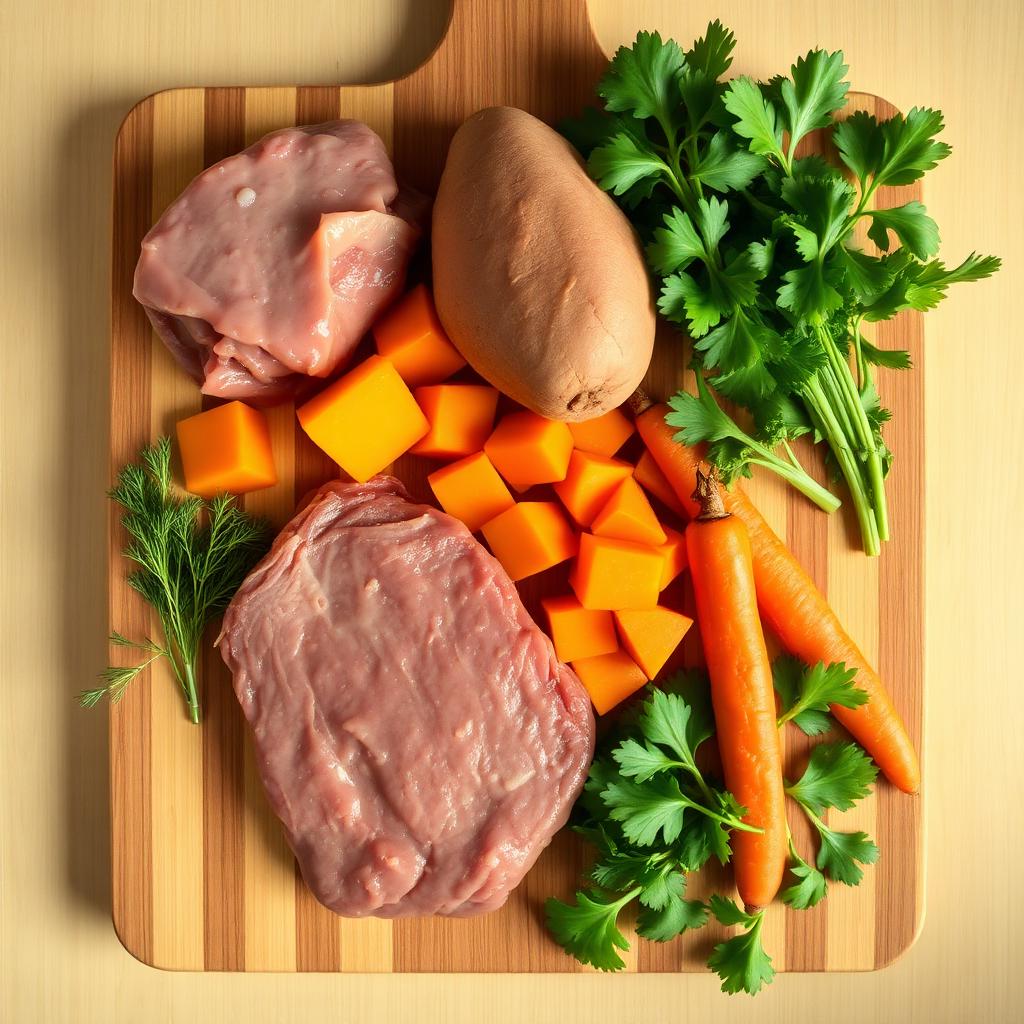
The classic split: 70% muscle meat, 10% raw meaty bones, 5% liver, 5% other secreting organ and 10% fruit and vegetables. This balance approximates what wild canids consume across a whole prey animal.
Our Raw Diet Calculator does this math automatically - enter weight and percentage, and it returns daily grams for each component.
How much to feed daily
Adults eat roughly 2 to 3 percent of body weight per day. Sedentary dogs sit closer to 2%, very active dogs closer to 3%. Puppies need much more - 5 to 10 percent of current body weight, split across 3 or 4 meals, dropping as they approach adult weight.
Safety first - handling raw at home
Salmonella and campylobacter are real risks for both the dog and the people preparing meals. Use a dedicated cutting board, wash hands and surfaces thoroughly, and keep raw food separate from the family's groceries.
Immunocompromised people in the household - young children, elderly, anyone on chemotherapy or with immune conditions - should usually avoid raw feeding altogether. The same applies to therapy dogs visiting hospitals or care homes; many institutions ban raw-fed dogs because of shedding risk.
Cost and effort
Raw feeding a medium dog typically costs two to three times more than a mid-range kibble per month. It also requires significant freezer space and a willingness to handle raw meat daily.
Pre-made commercial raw diets reduce the workload but increase the cost further. Some are nutritionally complete; others are intended as a base to which you add organs and supplements.
Common beginner mistakes
Feeding too much bone (causes constipation), too much liver (causes loose stool), or skipping organ entirely (causes micronutrient deficiency). Calculating ratios over a week rather than every meal makes balance easier to achieve.
Switching cold turkey from kibble to raw often causes digestive upset. A gradual two-week transition or starting with a single-protein commercial raw is gentler.
Is raw actually better?
There is no high-quality peer-reviewed study showing raw is healthier than well-formulated kibble. Anecdotally, many owners report shinier coats, smaller stools and more energy. Whether those changes come from rawness specifically or simply from feeding a fresher, less processed diet is unclear.
If you decide to raw feed, do it with a vet-approved plan and regular health checks. Done well, it can be excellent; done poorly, it causes real harm.
What a balanced raw meal actually looks like
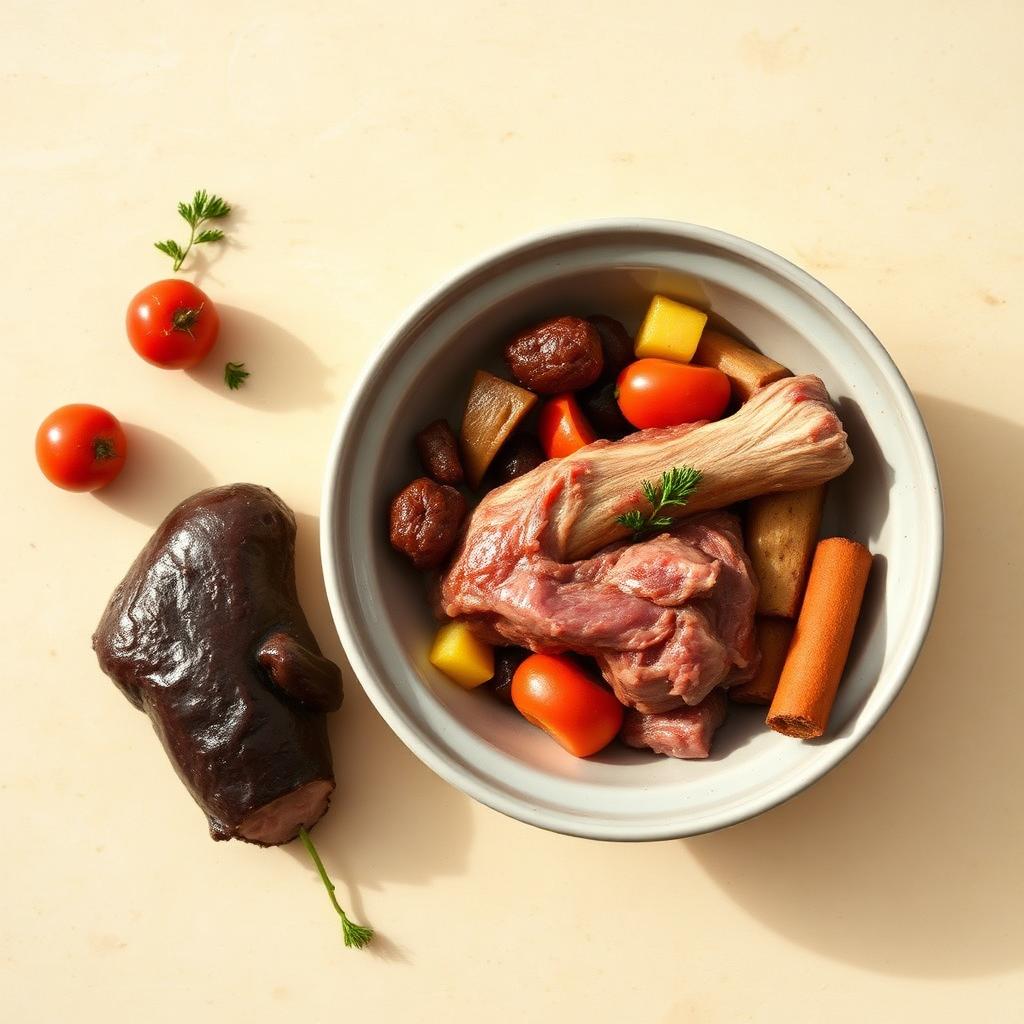
A common template is 80 percent muscle meat, 10 percent bone, 5 percent liver and 5 percent other secreting organ, plus small amounts of vegetables and supplements as needed.
Rotating protein sources across the week, using at least three different animals, reduces the risk of nutrient gaps and food sensitivities. Chicken, beef and lamb is a common starter rotation.
- 80 percent muscle meat, mostly lean.
- 10 percent raw meaty bone, appropriate size for the dog.
- 5 percent liver.
- 5 percent other organ, ideally kidney or spleen.
- Rotate at least three protein sources weekly.
Food safety, the elephant in the room
Raw meat carries salmonella, campylobacter and other bacteria that can affect dogs and, more importantly, people in the household. Immunocompromised humans, young children and the elderly are most at risk.
Handle raw food with the same discipline as raw chicken for humans. Dedicated boards, hot water washing, sealed storage and hand washing after every session. Feed in a wipeable area, not on the carpet.
Bones done right, done wrong
Raw bones appropriate to the dog's size are usually safe. Cooked bones of any kind splinter and should never be fed. Weight bearing bones from large animals are very hard and can crack teeth.
Best options are chicken necks and wings for small to medium dogs, and turkey necks or lamb ribs for larger dogs. Always supervise, and take the bone away when the meat is gone.
- Never feed cooked bones of any kind.
- Avoid weight bearing bones from cattle or bison.
- Match bone size to the dog, big enough not to swallow whole.
- Supervise every bone session.
- Remove bare bones before dental damage occurs.
Transitioning safely from kibble to raw
Unlike kibble to kibble transitions, raw transitions are usually done cold turkey after a twelve hour fast. Start with a single protein for a week, then slowly add variety.
Loose stool in the first week is common as the gut adapts. Persistent diarrhoea, blood or vomiting is not, and warrants a pause and a vet call.
Who raw is not a good fit for
Puppies during rapid growth, dogs with pancreatitis, immunosuppressed dogs, and households with young children or vulnerable adults are usually better served by gently cooked or high quality commercial food.
Raw is a serious commitment. If you are unsure, a fresh food subscription that cooks its recipes to safe temperatures often gives most of the perceived benefits with much less risk.
A practical starter month
If you have decided raw is right for your dog, a structured first month reduces the chance of setbacks. Week one, single protein and simple bones. Week two, add a second protein and organ meat in small amounts. Week three, introduce a third protein and settle on portion size. Week four, add supplements as your recipe plan recommends and reassess weight and stool.
Keep a photo of every bowl for the first two weeks. It is a surprisingly useful record when you talk to your vet or nutritionist about how the transition is going.
By the end of month one most dogs on a well planned raw diet have firm stools, good energy and a bright coat. If any of those are missing, pause and reassess before adding more variety.
Sourcing meat safely and affordably
Ordering from a dedicated pet raw supplier gives you human grade offcuts at a much lower price than retail, plus organs and bones that are hard to find in supermarkets. Order in bulk, freeze in single meal portions, and rotate stock.
If you buy from human supermarkets, watch the packaging dates and use quickly. Freeze anything you will not use in two days. Never feed anything you would not eat yourself for safety reasons.
Some raw feeders join local co ops that split whole animals across households. Cheaper, more variety, and closer to the whole prey model. It takes coordination, but experienced groups run smoothly.
Supplements the raw diet often still needs
Even a well constructed raw diet can fall short on certain nutrients depending on the sources used. Iodine, vitamin D, vitamin E, manganese and omega 3 are the most commonly under supplied.
A vet formulated raw specific supplement covers most of these gaps in one scoop. Fish oil for omega 3, kelp for iodine, and vitamin E capsules are the most common individual additions.
If the recipe is guesswork, the supplements are guesswork too. This is another argument for a formal plan built once with a professional and reviewed annually.
Deciding whether raw is worth the commitment
Raw feeding is not a moral position. It is a feeding method with real benefits, real risks and real time cost. Owners who thrive on it enjoy the ritual, have freezer space, and manage food safety naturally.
Owners who struggle usually underestimated the planning, the cost, or the hygiene routine. There is no shame in trying it for three months and deciding that a fresh cooked or high quality kibble diet fits your life better.
The best diet for your dog is the one you can feed consistently, safely and with genuine attention over years. Raw, cooked, kibble or a mix. What matters is the total nutrition and the calm, predictable rhythm around the bowl.
Households with children, immune compromise or shared kitchens
Raw pet food carries meaningful bacterial risk for humans as well as pets. Homes with babies, elderly relatives, chemotherapy patients or immune compromised members should think very carefully before feeding raw.
If you decide to proceed, keep raw pet meals strictly separated from human food preparation, disinfect all surfaces after every meal, and wash hands with soap after every bowl. Sharing chopping boards or sponges is not acceptable.
Some households simply do not have the safe workflow for raw and are better served by a fresh cooked or high quality commercial option. That is not a compromise, it is responsible risk management.
Common raw feeding mistakes and how to avoid them
Feeding only muscle meat, feeding weight bearing bones from large animals, ignoring organ ratios, and skipping vet check ups are the most common raw feeding mistakes. Each of them shows up as a real health problem within months to years.
Follow a proven ratio, a proven supplement plan, and a proven vet check schedule. Blood work at least once a year on a raw fed dog is not overkill, it is basic quality control.
If you spot a mistake in an existing plan, adjust gradually rather than overhauling overnight. Most raw fed dogs recover well from moderate imbalances once they are corrected.
Vet check schedule and warning signs
Raw fed dogs should have a full clinical exam at least once a year and a blood panel at similar intervals. This is basic quality control, not distrust of the diet.
Warning signs that deserve a same week vet visit include persistent soft stools, sudden weight change, dull coat, unusual lethargy, or any bone splinter concern after a meal.
Keep a photo of every bowl fed for the two weeks before any vet visit. It gives your vet real evidence rather than a rough memory, and makes any troubleshooting much faster.
Traveling and feeding on the road
Raw is the hardest diet to travel with. Cool boxes, frozen packs and reliable freezer access at your destination all need planning before you leave home.
For short trips, a temporary switch to a high quality freeze dried raw or a well matched kibble is usually fine and much simpler than trying to transport fresh raw meals.
For longer trips, look into raw suppliers that deliver to holiday addresses, or plan meals around freezer access at each stop. Owners who travel often either become expert planners or accept a hybrid plan on the road.
Frequently asked questions
Can puppies eat raw?
Yes, but the calcium and phosphorus ratio is even more critical during growth. Work with a vet nutritionist.
Is freeze-dried raw the same?
Nutritionally similar, but easier to store and handle. Bacterial load is reduced, not eliminated.
What about my dog's teeth on raw?
Raw meaty bones do help mechanical cleaning. Always supervise and never feed cooked bones, weight-bearing bones from large animals or anything small enough to swallow whole.
Do raw-fed dogs poop less?
Yes, usually - more of the food is digested. Stools are also typically firmer and break down faster outdoors.
Are commercial raw diets safer?
Reputable brands use high pressure processing to reduce bacteria while keeping the food essentially raw. They are a lower risk starting point than home prepared raw.
Do dogs really need vegetables on raw?
The evidence is mixed. Many balanced raw recipes include a small amount of vegetables for fibre and micronutrients. Others rely on organ variety instead. Both can work with a good plan.