How to Cook Homemade Dog Food Safely - A Vet's Complete Guide
What home cooking can and cannot do for your dog - and why a vet-formulated recipe is non-negotiable.
Cooking for your dog can be a beautiful expression of care - but the most well-meaning bowls in the world can still leave a dog deficient in essential nutrients.
The single most important step is to start from a recipe formulated by a veterinary nutritionist for your dog specifically. Generic internet recipes are almost always incomplete. This guide walks through what works, what does not, and how to do this safely if you decide to cook full-time.
Why most homemade recipes fail
A widely cited 2013 UC Davis study analysed 200 homemade dog food recipes from books and websites. Over 95% had at least one nutrient below recommended levels. Calcium, vitamin D, vitamin E, zinc and choline were the most commonly missing.
These deficiencies do not show up overnight. They appear as dull coat, brittle nails, joint issues, immune problems and behavioural changes over months and years.
The non-negotiable supplements
A balanced home-cooked diet almost always needs a calcium source, a multivitamin and often a specific source of trace minerals. Without these, even gorgeous, high-quality protein and vegetables will leave gaps that show up as coat issues, joint problems or worse over time.
The cheapest reliable calcium source is plain eggshell powder (1 teaspoon per pound of cooked food), but a vet-formulated all-in-one supplement like BalanceIT or similar is more complete and easier.
Foods that are off-limits
Onion, garlic, leeks, chives, grapes, raisins, macadamia nuts, chocolate, xylitol-sweetened products and uncooked yeast dough are all toxic to dogs. Keep them out of every recipe and watch out for hidden sources like onion powder in stocks or pre-seasoned meats.
- Onion, garlic, chives and leeks.
- Grapes and raisins.
- Chocolate and caffeine.
- Xylitol-sweetened foods (peanut butter especially).
- Macadamia nuts.
- Cooked bones of any kind.
- Raw yeast dough.
- Avocado (small amounts of flesh okay, pit and skin dangerous).
A safe basic template (with vet approval)
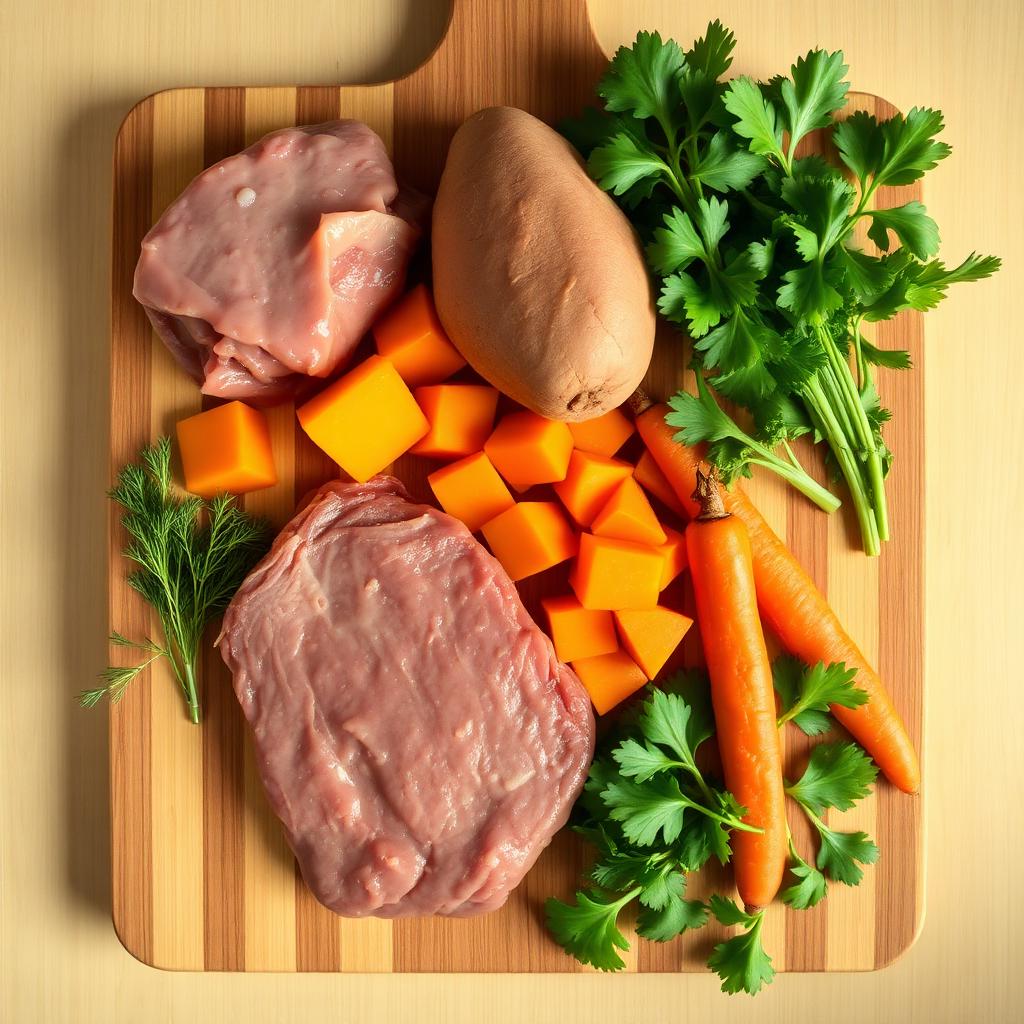
If your vet has cleared home cooking, a sensible template is roughly 50% lean protein (chicken, turkey, lean beef), 25% complex carb (rice, oats, sweet potato), 25% vegetables (carrot, green beans, zucchini), plus the supplement plan your nutritionist recommends.
Cook protein thoroughly, drain excess fat, and avoid all seasoning. Mix while warm so the supplements distribute evenly, then cool before serving.
Storage and food safety
Batch cook in small portions, refrigerate for up to three days and freeze the rest in single-meal containers. Always cool meals to room temperature before serving and never reheat more than once. Treat your dog's food with the same hygiene as your own - same cutting boards washed thoroughly, no cross-contamination.
Cost and time reality check
Home cooking for a medium dog typically costs $80-150 per month in ingredients plus 2-4 hours of prep time per week. Premium kibble runs $40-80 per month with no prep. Home cooking can be wonderful but it is not the cheap or easy option many people assume.
A worked example of a balanced day
Recipes make the concept clearer. The example below is for a 20 kg neutered adult on around 900 kcal a day. It is illustrative only and needs a formal supplement plan for full balance.
The point is not to copy the recipe. It is to see how the macro split looks in real food quantities so you can talk sensibly with a nutritionist.
- 350 g cooked lean turkey mince, drained.
- 150 g cooked white rice.
- 100 g mixed cooked carrot, courgette and green beans.
- 1 whole egg cooked, shell ground into powder for calcium.
- 5 ml salmon oil, plus a vet recommended multivitamin dose.
The role of a veterinary nutritionist
A board certified veterinary nutritionist is a vet with additional specialist training in diet. They can build a recipe that fits your dog's exact weight, activity level and any medical conditions.
Services like BalanceIT and PetDiets provide access to these specialists for a modest fee. For any dog eating fully home cooked food long term, this is worth doing once and then rechecking annually.
Batch cooking and freezing safely
Cook in batches that last three to five days in the fridge. Freeze single meal portions in labelled containers, and defrost overnight in the fridge, never on the counter.
Never refreeze thawed food, and never microwave with bones or eggshell in the mix. Reheat only until warm, not hot, because dogs prefer warm food and hot spots can burn the mouth.
Signs your homemade diet is not working
The clues appear over months, not days. Dull coat, brittle nails, dandruff, weight loss despite good appetite, or changes in stool consistency all suggest something is missing.
If you notice any of these, book a vet visit for a full blood panel and go back to your nutritionist with the recipe you have been feeding. Small tweaks usually fix the problem quickly.
- Dull, dry or shedding coat.
- Brittle or peeling nails.
- Weight loss on adequate calories.
- Chronic loose stool or gas.
- Reduced energy or muscle tone.
Mixing cooked and commercial food
A fifty fifty split of high quality kibble and a vet formulated home cooked recipe often gives owners the best of both worlds. The commercial food carries the baseline nutrition, the home cooking adds freshness and enjoyment.
Split by daily calories, not by weight in the bowl, and use the same portioning discipline you would use for either food alone.
Common myths worth clearing up
Grain free is not automatically healthier. Raw is not automatically superior. Home cooked is not automatically balanced. Kibble is not automatically inferior. Each of these statements gets repeated online and each is wrong.
Nutrition is about total nutrient balance over time, not about the shape or temperature of the food. A carefully formulated kibble can outperform a lovingly cooked but unbalanced homemade meal every single day.
The point of cooking at home is control and enjoyment, not a magical health upgrade. If you enjoy the process and your dog does well on the recipe, that is a great reason to continue. If it becomes a stressful chore, a good commercial food is not a compromise, it is a valid choice.
Cooking method and why it matters
Gently poaching, steaming or slow cooking protein preserves more nutrients than high heat frying or grilling. Steamed vegetables retain more of their vitamins than boiled and drained ones. Small choices in the method make measurable differences over months.
Do not season anything for the dog. Salt, pepper, garlic, onion powder and stock cubes all belong to the human plate. Cook the dog's portion first, plain, then season your own.
Cool cooked food quickly by spreading it on a tray before storing. Warm food sitting in a sealed container is a bacterial party. Ten minutes of care at cooking time protects your dog and the humans washing the bowls.
Feeding around medical conditions
Dogs with kidney disease, liver disease, pancreatitis, urinary crystals and food allergies often benefit from a home cooked diet formulated to their exact condition. This is where a veterinary nutritionist truly earns their fee.
Do not attempt condition specific home cooking from internet recipes. The margins are small, the consequences are large, and a proper formulation costs less than one month of prescription food.
Reassess the recipe with your nutritionist any time the dog's condition changes, medications shift, or weight moves by more than ten percent. A recipe is a living document, not a one off purchase.
Making the switch stick
Home cooking is a lifestyle choice as much as a nutrition decision. It costs time every week, kitchen space, freezer space and a permanent shift in shopping habits. Plan for that honestly before committing.
Batch cook on the same day every week. Portion straight from the pan into single meal containers. Rotate the freezer stock so nothing older than a month gets fed. These small routines prevent the mid week scramble that pushes most home cooking owners back to kibble.
If life gets busy, a period of high quality commercial food is not a failure. Many long term home cooking owners run cooked five days and kibble two, or cook for one dog and feed commercial to another. Flexibility is what keeps the plan alive over years.
Batch cooking without burnout
Home cooking works long term when it fits your kitchen habits, not when it fights them. Pick one weekly cook day, buy in bulk, and treat it like meal prep for another family member.
A single two hour session can produce two weeks of meals if you use a large pot or a slow cooker and portion straight into freezer safe containers. Label with the date and rotate stock so nothing older than a month gets fed.
Owners who batch cook rarely stop. Owners who cook meal by meal usually quit within a few months and blame the diet rather than the workflow.
Talking to your vet about home cooking
Some vets are enthusiastic about home cooked diets when formulated properly, some are cautious, and a few are dismissive. If yours is dismissive, share your written recipe from a veterinary nutritionist and ask for their thoughts on that specific plan.
Bring the recipe, the supplement list, the feeding chart and photographs of recent meals to any check up. It saves consultation time and moves the conversation from theory to practice.
If a persistent disagreement remains, seeking a second opinion from a vet with more nutrition experience is reasonable. The goal is a healthy dog, not winning an argument.
Travel, holidays and staying flexible
Home cooked meals are heavy, perishable and awkward to travel with. For weekends away, a bag of high quality kibble or a pre approved commercial fresh food is a reasonable pause.
Transition on and off travel food gradually where possible. A week of half and half either side of the trip protects the digestion of sensitive dogs.
Boarding kennels usually accept home cooked meals in labelled daily bags with clear feeding notes. Confirm freezer or fridge space in advance and package portions so staff cannot get it wrong.
Signs the recipe is not working
Weight drift, dull coat, itchy skin, soft stools, low energy or fussy eating on a previously loved recipe are all reasons to reassess. Do not push through, adjust or seek help.
A quick blood panel every six to twelve months on a home cooked dog is not overkill. It catches quiet deficiencies before they become symptoms and gives your nutritionist real data to refine the plan.
Recipes are living documents. Life stage changes, activity changes, seasonal changes and medical changes all deserve a review. The best home cooking owners tweak little and often rather than waiting for a problem to force a redesign.
Kitchen hygiene that protects the whole family
Raw meat, poultry and fish all carry bacterial risks for humans, not just dogs. Even a cooked home dog food workflow benefits from strict kitchen hygiene, because sponges, boards and hands do not know what species they are working for.
Use dedicated boards and utensils for pet food where possible, wash surfaces with hot soapy water after every prep session, and change dish sponges more often than you think you need to.
This is basic food safety, the same rules that protect the humans in your household from a bad chicken dinner. Applied consistently, it removes almost all of the practical hygiene risk of feeding a home cooked diet.
Frequently asked questions
Is home cooking healthier than kibble?
Not automatically. A well-formulated, complete commercial food can be healthier than a poorly balanced homemade diet.
Can I rotate between homemade and kibble?
Yes, as long as the total daily nutrient balance works out. A vet nutritionist can help you plan a rotation.
What about toppers - adding fresh food to kibble?
Toppers of up to 20% daily calories are usually safe and add palatability. Keep them simple - plain cooked meat, a spoon of pumpkin, plain yoghurt.
Where do I find a veterinary nutritionist?
Look for board-certified nutritionists at acvn.org or use vet-built recipe services like BalanceIT.
Do I have to include grains?
No. Well formulated recipes can be grain free or grain inclusive. The important thing is total nutrient balance, not which starch you use.
How often should I reformulate the recipe?
At least once a year, and any time your dog changes life stage, activity level or weight by more than ten percent.