Best Dog Foods of 2026: How to Read a Label Like a Vet
A practical buyer's guide that focuses on the things that actually matter - ingredients, AAFCO standards and recall history.
The dog food aisle is engineered to sell, not to inform. Marketing claims like grain-free, ancestral or human-grade are largely unregulated, and the most useful information on any bag is often the smallest text on the back.
Here is a practical, vet-tested framework for choosing food that is genuinely good - without getting pulled into the next trend cycle. We will look at how to read an AAFCO statement, decode the ingredient list, check recall history, and decide whether premium prices match premium nutrition.
Step one - the AAFCO statement
Somewhere on every regulated bag in the United States is a sentence that says the food is complete and balanced for a specific life stage, either through formulation or feeding trials. This single line tells you whether the recipe will actually keep a dog healthy long term.
Feeding-trial validation is the stronger of the two - it means dogs actually ate the food for a defined period without nutritional deficits. Formulation-only validation means the food matches the nutrient profile on paper but has not been fed to live dogs.
Step two - the first five ingredients
Ingredients are listed by pre-cooking weight. A named animal protein such as chicken, lamb or salmon at the top is a good sign. Vague terms like meat by-products without a species, or a long string of plant proteins stacked to inflate the protein percentage, are not.
Whole grains are not inherently bad. Grain-free formulas, in fact, have been linked in ongoing FDA research to a heart condition called DCM (Dilated Cardiomyopathy) in certain breeds. Until that research is settled, mainstream veterinary opinion is to favour grain-inclusive recipes unless your dog has a diagnosed grain allergy.
Step three - recall history and manufacturer transparency
Search the brand on the FDA pet food recall database. A single voluntary recall handled transparently is not necessarily a deal-breaker. A pattern of recalls, or a brand that hides who actually manufactures the food, is.
Brands that publish full nutrient analysis, sourcing locations and the qualifications of their nutritionist on their website are usually telling you something important by doing so. WSAVA (World Small Animal Veterinary Association) has published a useful checklist of questions to ask any dog food brand - five-minute reading, lifetime value.
Premium vs supermarket - is the price difference worth it?
Not always. Some mid-priced foods from large manufacturers with full in-house nutritionists and feeding-trial AAFCO statements are nutritionally excellent. Some boutique premium brands have beautiful packaging and limited nutritional research.
Pay for: feeding-trial AAFCO validation, named meat proteins, and quality control evidence. Do not pay for: vague marketing terms (ancestral, holistic, human-grade) that have no legal definition.
Matching food to your dog's life stage and needs
Puppies need food labelled for growth or all life stages. Large-breed puppies specifically need a formula with controlled calcium and phosphorus to prevent joint problems during rapid growth. Adult dogs need maintenance formulas. Senior dogs benefit from slightly reduced calories, added joint support, and easily digestible protein.
If your dog has a diagnosed condition - kidney disease, food allergies, pancreatitis - therapeutic diets prescribed by your vet are usually worth the extra cost. Off-the-shelf hypoallergenic foods often share allergens with mainstream foods due to factory cross-contamination.
- Puppies (growth): higher protein and fat, calcium-controlled for large breeds.
- Adults (maintenance): balanced, AAFCO-validated.
- Seniors: 10-20% fewer calories, joint and omega-3 support.
- Allergy dogs: hydrolysed protein or novel protein under vet guidance.
Wet, dry, raw, fresh - which format wins?
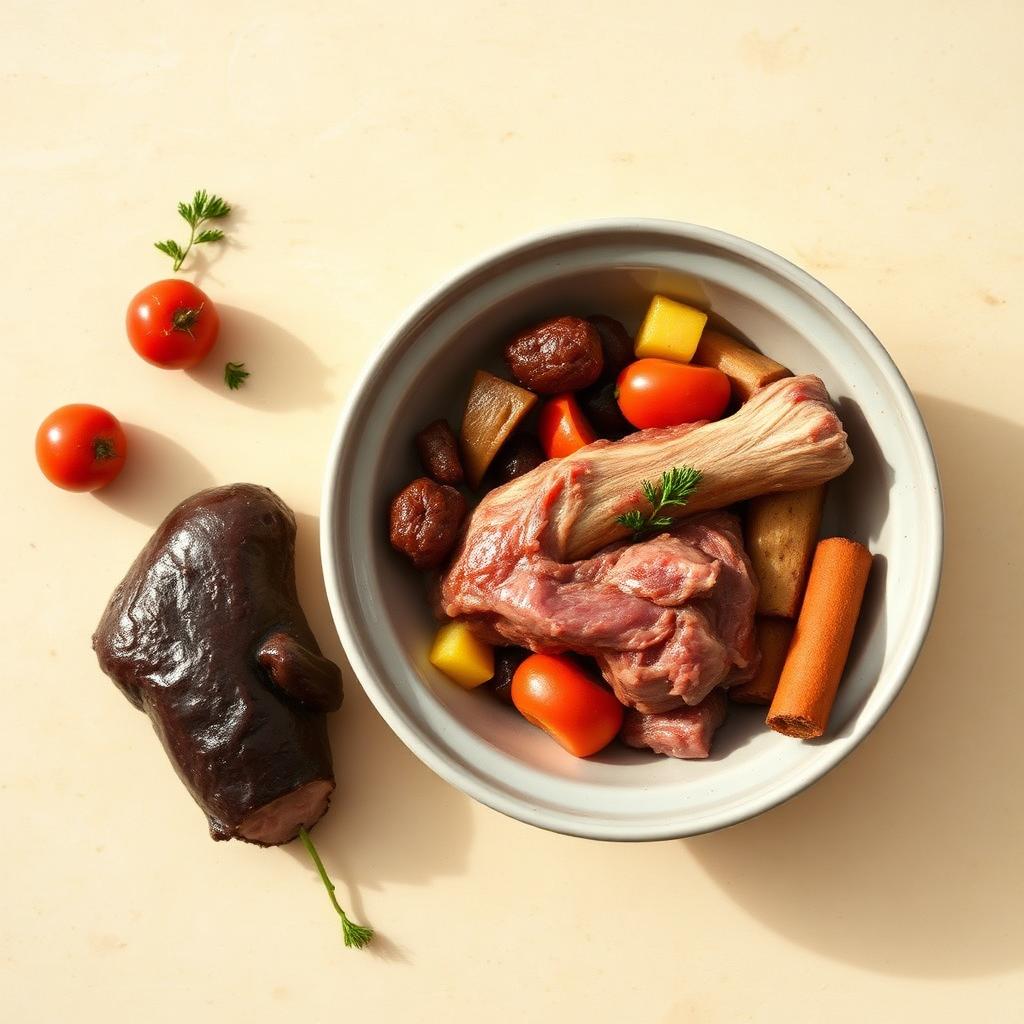
Each format has trade-offs. Dry kibble is cost-effective, shelf-stable and supports dental friction. Wet food adds moisture, which helps urinary health. Fresh and gently cooked subscription brands often have excellent ingredient transparency but cost three to five times more. Raw diets can be appropriate when properly balanced but require careful handling and a vet-formulated recipe.
The best food is one that your dog thrives on, your budget supports, and you will feed consistently. There is no single winning format.
Transitioning to a new food safely
Switch over 7 to 10 days. Start at 25% new food and 75% old, then 50/50 for two days, then 75/25, then 100% new. Sudden changes are the most common cause of loose stool and food refusal in healthy dogs.
The five questions the WSAVA suggests you ask a brand
The World Small Animal Veterinary Association publishes a short checklist that separates serious food brands from marketing led ones. A brand that cannot answer these clearly is usually not the brand you want.
Ask who formulates the recipes, whether they employ a full time nutritionist with recognised qualifications, where the food is manufactured, whether they run feeding trials, and whether they publish full nutrient analysis on request.
- Who formulates your recipes and what are their qualifications?
- Do you employ a full time board certified veterinary nutritionist?
- Where is the food actually manufactured?
- Do you run AAFCO feeding trials or formulate to the profile only?
- Can I see a complete nutrient analysis for this specific product?
Marketing terms that mean almost nothing
Words like premium, holistic, human grade, ancestral and super premium have no legal definition on pet food packaging in most markets. They are legal to print and they cost nothing to add.
Real signals of quality sit on the back of the bag, in the AAFCO statement, the ingredient list, the guaranteed analysis and the manufacturer contact information. Train your eye on those, not the front.
How to switch food without stomach upset
Sudden food changes are the single most common cause of avoidable diarrhoea in healthy dogs. A gradual seven to ten day transition gives the gut microbiome time to adjust.
If your dog is prone to sensitivity, extend the transition to fourteen days and add a spoon of plain unsweetened yogurt or a probiotic paste during the switch.
- Days 1 to 2: 25 percent new, 75 percent old.
- Days 3 to 4: 50 percent new, 50 percent old.
- Days 5 to 6: 75 percent new, 25 percent old.
- Days 7 plus: fully switched, watch stool for another week.
Storage, shelf life and rancidity
Fats in dry food start to oxidise once the bag is opened. Store kibble in the original bag inside a sealed container, away from heat and light, and finish it within six weeks of opening.
A rancid smell, greasy feel or sudden refusal by a normally keen eater is a signal to bin the bag. Rancid fat is not just unpalatable, it damages the vitamin E and other antioxidants that make the food complete.
When a prescription diet is genuinely worth it
Therapeutic diets for kidney, liver, urinary and skin conditions are not marketing. They are formulated to specific medical targets and can be more effective than medication alone for the right dog.
If your vet recommends one, ask why, how you will measure whether it is working, and whether it will be lifelong. A good vet welcomes the questions and has clear answers.
Price per day, not price per bag
Comparing bag prices is misleading because kibble density varies enormously. The number that matters is price per day for your dog at their actual portion.
Work it out once. Take the bag price, divide by the total number of kilograms, multiply by your dog's daily grams, and you have a per day figure that lets you compare any two foods on the same basis.
A more expensive bag is often cheaper per day if it is calorie dense and your dog eats less of it. A cheap bag can cost more per day if the portion needed is large. The maths takes a minute and changes buying decisions permanently.
Fresh, gently cooked and subscription brands
Fresh cooked subscription foods are the fastest growing part of the pet food market. They usually arrive frozen, in labelled daily packs, and offer strong ingredient transparency at a premium price.
The best of them employ veterinary nutritionists, run feeding trials and publish full nutrient analysis. The weakest ones ride the trend without the nutrition rigour. Apply the WSAVA questions before subscribing.
Cost per day is often three to five times a good kibble. For some households the palatability and convenience are worth it. For others a mix of fresh topper and quality kibble delivers most of the perceived benefit at a fraction of the price.
Breed size and life stage matched formulas
Small breed formulas use smaller kibble pieces and slightly higher calorie density because tiny mouths and fast metabolisms both matter. Large breed formulas control calcium and calorie density for slower joint safe growth.
Life stage matters more than most breed marketing. A senior formula and a puppy formula genuinely differ in protein source, fat level and micronutrient balance. A breed specific adult formula usually offers small tweaks that are nice to have, not essential.
If your budget forces a choice, spend on the correct life stage first, then look at breed specific options. Getting the life stage wrong is measurable, getting the breed formula wrong is usually cosmetic.
What a good rotation looks like
Rotating protein sources every two to three bags reduces the chance of building a sensitivity and gives the dog a wider nutrient profile over time. Keep the format and the brand family the same when possible, so digestion stays stable.
For dogs with sensitive stomachs, run a fourteen day transition even between flavours of the same brand. For iron gut dogs, a straight swap between flavours is usually fine.
Some owners rotate every bag between three different brands. This is fine if all three are AAFCO complete for the same life stage and the dog tolerates the changes. It is not required for good nutrition, and simplicity has value too.
Storage, freshness and the forgotten scoop
A great food stored badly turns into an average food within weeks. Fats oxidise, palatability drops and some vitamins degrade. Store kibble sealed in its original bag inside an airtight container, in a cool dark cupboard, not the garage.
Buy bag sizes your dog will finish within four to six weeks. Bigger bags feel cheaper per kilogram, but food eaten stale is not a bargain. Small households with small dogs almost always overbuy.
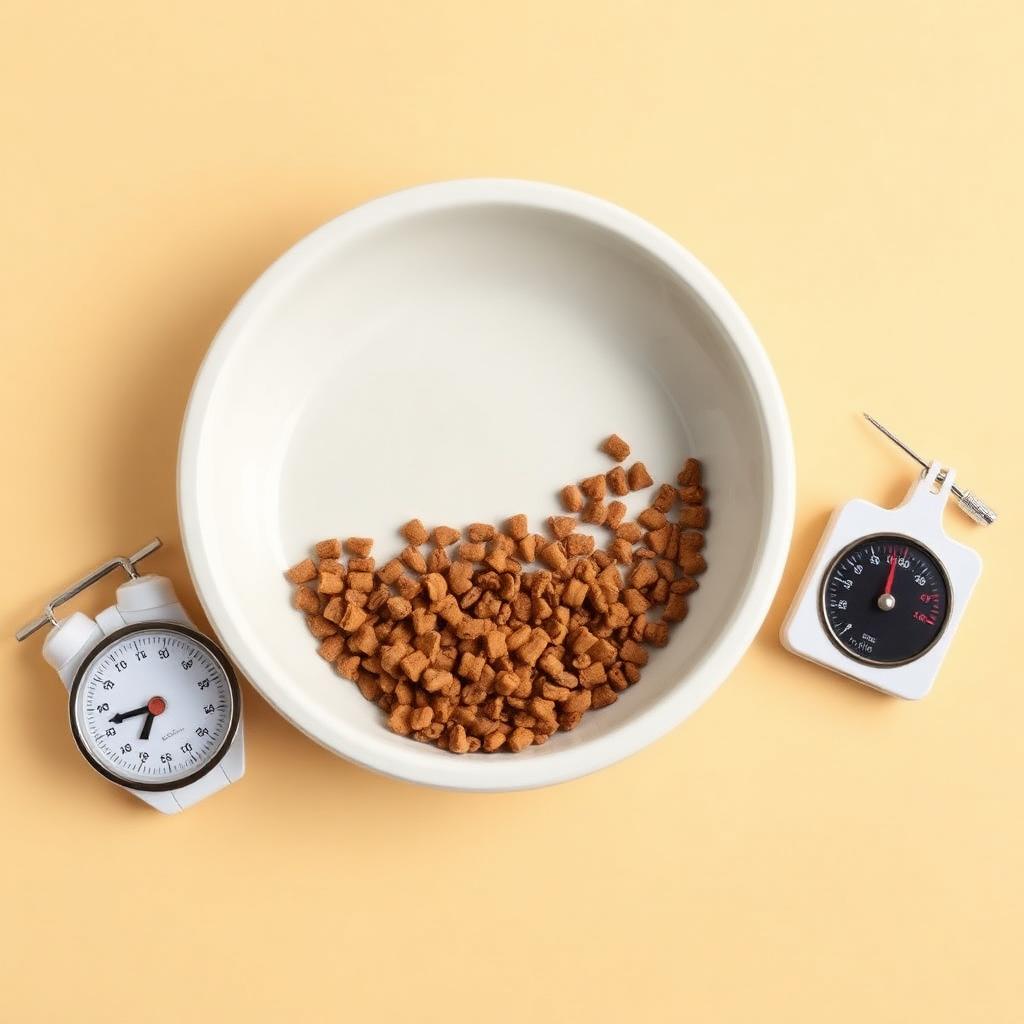
The measuring scoop is another quiet problem. Most included scoops are not calibrated and a heaped scoop can be thirty percent more than a level one. Weigh portions on a kitchen scale at least once a month to keep yourself honest.
Reading recall history and brand transparency
Every large pet food brand will eventually face a recall. The question is not whether it has happened, but how the brand handled it. Fast, transparent, well communicated recalls are a sign of a mature company. Silent or defensive ones are not.
Check the manufacturer's recall page and independent recall trackers before committing to a new brand. Look for the pattern, not the single event.
Transparency also shows up in customer service. Call and ask a nutrition question. A good brand puts you through to someone who can answer specifically. A weak one reads a script. That single test tells you a lot.
Frequently asked questions
Is grain-free food better?
For most dogs, no. Unless there is a diagnosed grain allergy, whole grains are well tolerated and may even be protective. Grain-free has been linked to DCM in certain breeds.
How often should I rotate foods?
If your dog tolerates rotation well, switching protein sources every few bags can help reduce sensitivities - but always transition over a week.
Are 'human-grade' claims meaningful?
Legally limited and inconsistent. Treat it as marketing unless paired with full ingredient sourcing transparency.
Is wet food better than dry?
Both can be complete and balanced. Wet food adds moisture and is often more palatable; dry is cost-effective and supports dental friction.
Is boutique better than mainstream?
Not automatically. Some mainstream brands run more feeding trials and employ more nutritionists than boutique labels. Judge on process and transparency, not brand size.
How long does a bag of kibble stay fresh once opened?
About six weeks stored cool, dry and sealed. Buy a bag size your dog can finish in that window rather than the biggest bag for the discount.