Senior Dog Care: A Gentle Guide to the Golden Years
Joint support, diet shifts, sleep changes and the home tweaks that keep older dogs comfortable.

Dogs cross into senior territory at different ages depending on size - large breeds around six or seven, small breeds closer to ten. What stays the same is that small changes at home make a disproportionate difference in their comfort.
This guide covers the most impactful adjustments to diet, environment, exercise and vet care, plus when small behaviour changes deserve a vet visit.
When is my dog actually a senior?
Toy and small breeds (under 20 lb) typically enter senior years around age 10. Medium breeds around 8 to 9. Large breeds around 7. Giant breeds as early as 6. Use the size-adjusted dog age calculator to translate to human equivalents if it helps frame your perspective.
Senior status is a cue to reset routines: drop calories by about 20%, add joint support if not already in place, and book twice-yearly vet checks instead of once.
Diet shifts that matter
Senior dogs typically need around twenty percent fewer calories than they did as active adults, but the same or slightly higher protein to preserve muscle. Look for a senior formula or simply portion down a high-quality adult food.
Adding omega-3 fatty acids supports joints, skin and brain function. A vet-formulated fish oil dose makes a meaningful difference in many older dogs within a month. See our Fish Oil Dose Calculator for a safe daily amount.
Home environment tweaks
Non-slip rugs on hardwood floors, a low-walled bed with orthopedic foam and a ramp for cars or sofas all reduce daily strain on aging joints. These small changes often have a bigger impact than supplements.
Raise food and water bowls slightly off the floor for dogs with neck or back stiffness. Keep nails trimmed short - long nails change posture and accelerate joint wear.
- Non-slip rugs on slippery floors.
- Orthopedic foam bed with low walls.
- Ramps for cars and sofas.
- Slightly raised food and water bowls.
- Nightlight for dogs with reduced vision.
Exercise that supports, not strains
Older dogs benefit from more frequent, shorter walks rather than long weekend hikes. Swimming and gentle hydrotherapy are excellent for arthritic dogs because they build muscle without joint impact.
Avoid sudden bursts - fetch on slippery grass, jumping from high cars - that are common causes of cruciate ligament tears in middle-aged and senior dogs.
Mental enrichment matters more, not less
Cognitive decline in dogs is real and increasingly recognised. Snuffle mats, food puzzles, scent games and short training sessions of new tricks keep older brains active. Even five minutes a day of nose work measurably slows cognitive aging.
When to call the vet
Sudden behavioural changes - restlessness at night, pacing, increased thirst or appetite changes - deserve a check. Many treatable conditions in senior dogs first show up as quiet behaviour shifts rather than obvious symptoms.
Common senior conditions worth screening for: arthritis, dental disease, hypothyroidism, kidney disease, Cushing's, cognitive dysfunction and certain cancers. Annual blood work catches most early.
Quality of life - an honest framework
The HHHHHMM scale (Hurt, Hunger, Hydration, Hygiene, Happiness, Mobility, More good days than bad) developed by Dr Alice Villalobos is a gentle, structured way to assess quality of life. Reviewing it monthly with your vet helps you make decisions with clarity rather than crisis.
A monthly at home health check
Five minutes a month catches most senior problems early. Do it the same day each month so you notice change quickly.
Compare notes with the previous month. Any new lump, any change in eating or drinking patterns, or any consistent limp is worth a vet call, not a wait and see.
- Run hands over the whole body, note any new lumps.
- Check gums for colour, they should be salmon pink and moist.
- Lift lips and check teeth for tartar and red gum lines.
- Watch a short walk for any limp or stiffness.
- Note appetite, water intake and stool quality for a week.
Arthritis signs owners often blame on age
Reluctance on stairs, hesitation before jumping, slowing on walks, stiffness after rest and licking a joint are usually arthritis, not just getting old. All are treatable and comfort improves dramatically with a proper plan.
A vet led plan usually combines weight management, joint supplements, anti inflammatories where appropriate, controlled exercise and environmental changes. Do not accept discomfort as inevitable.
Cognitive dysfunction, the canine dementia
Older dogs can develop cognitive dysfunction syndrome, a canine version of dementia. Signs include pacing at night, staring into corners, forgetting learned cues, and disturbed sleep patterns.
Early intervention with diet, supplements, enrichment and in some cases medication can slow progression measurably. If your senior dog is behaving oddly, ask specifically about cognitive dysfunction.
End of life planning without avoidance
Talking about the end long before it comes is one of the kindest things you can do. Discussing preferences with your vet in advance means decisions on the day are calm, not rushed.
The HHHHHMM quality of life scale, home visits from a vet, and hospice care options are all worth understanding well before you need them. Preparation is not pessimism, it is love.
Making the golden years genuinely joyful
Senior dogs deserve small pleasures every day. A soft bed by the window, a slow sniff walk on a familiar path, a warm meal, a quiet hand on their back. These are the things they remember.
Do not over do supplements, over walk them, or push them into activities they no longer enjoy. Meet them where they are, and the golden years often become the closest years of the whole relationship.
Small daily comforts that add up
A ramp instead of a lift into the car. A heated bed in winter. A rubber runner on the slippery hallway. A shorter walk on a hot afternoon. Small comforts stack into a much better quality of life.
Ask yourself weekly what feels harder for your dog than it did a month ago, and see if there is a small change you can make. Most senior discomfort responds to environment tweaks long before medication becomes necessary.
Owners who keep a short weekly note of these observations often catch declines early, respond faster, and give their dog months of extra comfort that a busy household could easily miss.
Sleep changes and disturbed nights
Older dogs often sleep more during the day and less through the night. Pacing, panting or barking at night can signal joint pain, cognitive change, an underlying medical issue, or simply a shift in the sleep cycle.
Rule out the medical causes first. Blood work, a full physical exam and a chat with your vet about pain and cognition will point to what is driving the pattern. Sleep aids and behaviour tweaks come after, not before, the medical picture is clear.
Small environmental changes often help once the medical side is addressed. A nightlight in the hallway, a warmer bed, a soft radio in the background. Older dogs settle better with a bit of ambient reassurance.
Grooming and nail care become therapeutic
A long haired senior with matted fur is not just untidy, they are uncomfortable. Regular gentle grooming becomes part of joint care, skin care and dignity as they age.
Long nails change posture, put pressure on hips and can cause pain with every step. Aim for a nail trim every two to three weeks in seniors, even if it feels more often than they used to need.
If the vet or groomer is stressful for your older dog, look into home visit groomers and mobile vets. Comfort at this life stage is not a luxury, it is a health intervention.
Loss, grief and the second dog question
The end of a long relationship with a dog is one of the hardest parts of pet ownership. Give yourself permission to grieve, to make photo albums, to keep the collar somewhere quiet. This is a family loss.
Many owners ask whether to get another dog immediately. There is no universal answer. Some households heal faster with a new puppy in the routine. Others need months of quiet before they are ready.
Whatever you choose, do not choose out of guilt. The next dog deserves to be welcomed into a household ready for them, and the last dog deserves to be remembered without being replaced too quickly.
Diet shifts that support ageing bodies
Senior dogs often benefit from slightly lower calories, moderately higher quality protein, added omega 3 for joints and cognition, and softer food if dental issues are present. This is a general pattern, not a fixed prescription.
Avoid the myth that senior dogs need less protein automatically. Older muscle needs support, and quality protein helps maintain lean body mass into the final years.
A short conversation with your vet about a senior specific diet or a supplemented adult diet is well worth having at every yearly check up. Small tweaks over time keep the diet aligned with the dog in front of you, not the dog they were three years ago.
End of life planning done with love
Having a plan for your dog's end of life before it is urgent is one of the kindest things you can do. Talk to your vet about quality of life scoring, home euthanasia options, and what a good final day looks like for your specific dog.
The decision to say goodbye is heart breaking and rarely arrives at a convenient moment. Owners who thought about it in advance almost always find the actual day less traumatic than they feared.
Give yourself the last cuddle. Give the dog the favourite food and the favourite spot. Nothing about this is easy, but done with love it can be the last great gift of a long partnership.
Cognitive change and gentle mental exercise
Canine cognitive dysfunction shares many features with dementia in people. Owners often notice increased anxiety, disorientation, changed sleep patterns, house training slips and reduced interaction long before it is diagnosed.
Early intervention matters. Dietary changes, specific supplements, environmental enrichment and in some cases medication can slow progression and improve quality of life meaningfully.
Gentle mental exercise every day helps too. Snuffle mats, easy scent games, short training refreshers of known cues, and calm walks in familiar places. The brain, like the body, does better when it is used kindly.
Home safety adjustments for stiff bodies
Slippery floors, steep stairs and high beds all become bigger problems as joints stiffen. Rubber runners, ramps and step ups are cheap changes that meaningfully reduce fall risk.
Move water bowls closer to resting spots so a senior does not have to travel far for a drink. Keep food and bed in the same familiar spot rather than reshuffling the layout of the room.
Small predictable environments help old bodies and older minds. The changes take an afternoon to set up and pay back every single day for the rest of the dog's life.
Frequently asked questions
Are senior diets necessary?
Not always. A high-quality adult food fed in correct portions can work well - but senior-specific formulas often include joint support and easier-to-digest protein.
Should I still train my senior dog?
Absolutely. Short, gentle training sessions are excellent mental enrichment and keep the bond strong.
How often should senior dogs see the vet?
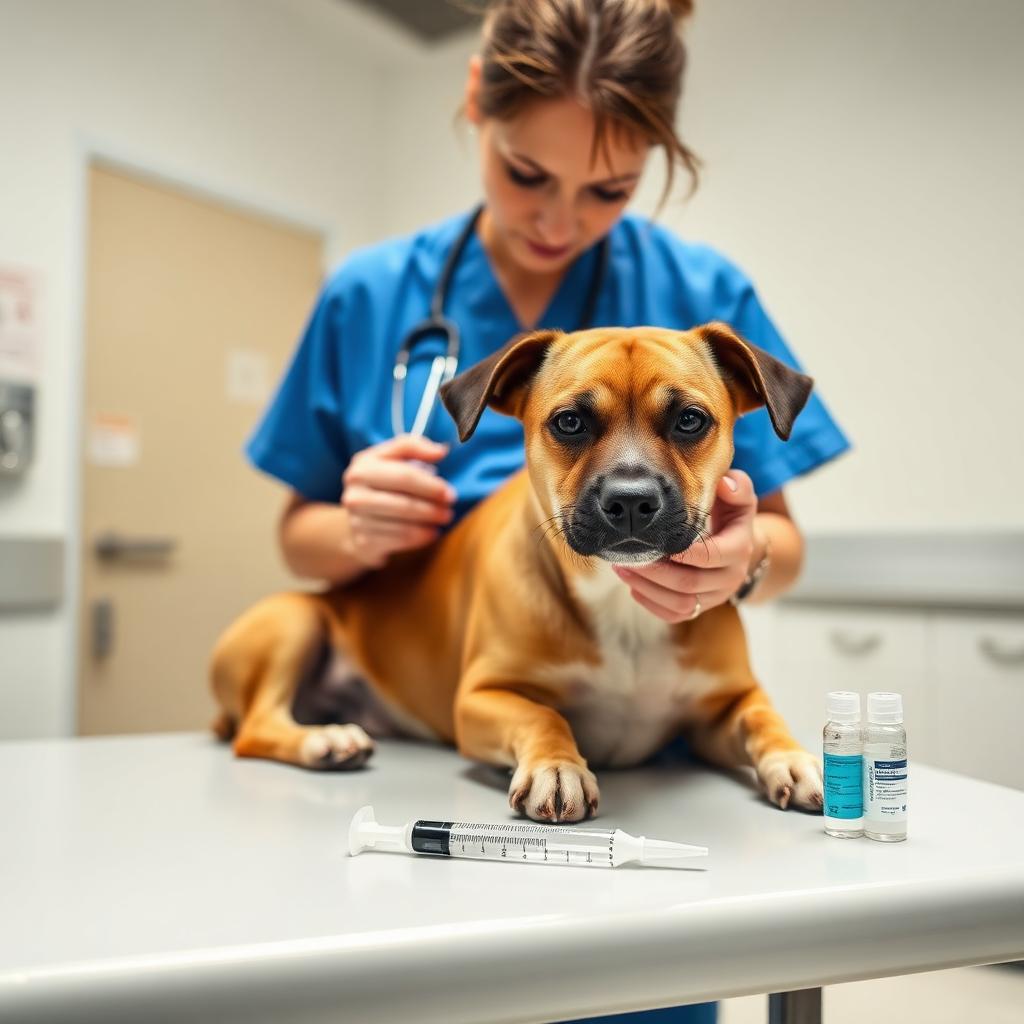
Twice a year with annual blood work - early detection makes a big difference for kidney, thyroid and cardiac issues.
Are joint supplements really effective?
Glucosamine and chondroitin help some dogs; omega-3 has stronger evidence. They work best as long-term prevention rather than rescue.
How do I know if my senior is in pain?
Look for changes in normal patterns: reluctance to move, altered posture, changes in sleep, panting at rest, or withdrawal. Dogs hide pain well, and change is the biggest clue.
Should I get another puppy for company?
Sometimes it helps, often it does not. Many senior dogs prefer a quiet home to a bouncy puppy. Wait until the current dog seems to be looking for more company, not before.