Is My Dog Overweight? 7 Signs and a Vet-Approved Weight-Loss Plan
How to check your dog's body condition at home and what to change first if the scale is creeping up.
Weight gain in dogs is almost always gradual. It happens one extra biscuit, one missed walk and one slightly generous scoop at a time. By the time it is obvious, most dogs are already several pounds heavier than ideal.
Recent veterinary surveys estimate that 56 percent of dogs in the United States are overweight or obese, yet only about 17 percent of owners recognise it. The good news is that catching the early signs at home is straightforward, and the fix is usually a small, sustainable change rather than a dramatic diet.
This guide covers the seven at-home signs of an overweight dog, the 9-point Body Condition Score system vets use, and a four-week practical plan to start safe weight loss today.
The seven at-home signs of an overweight dog
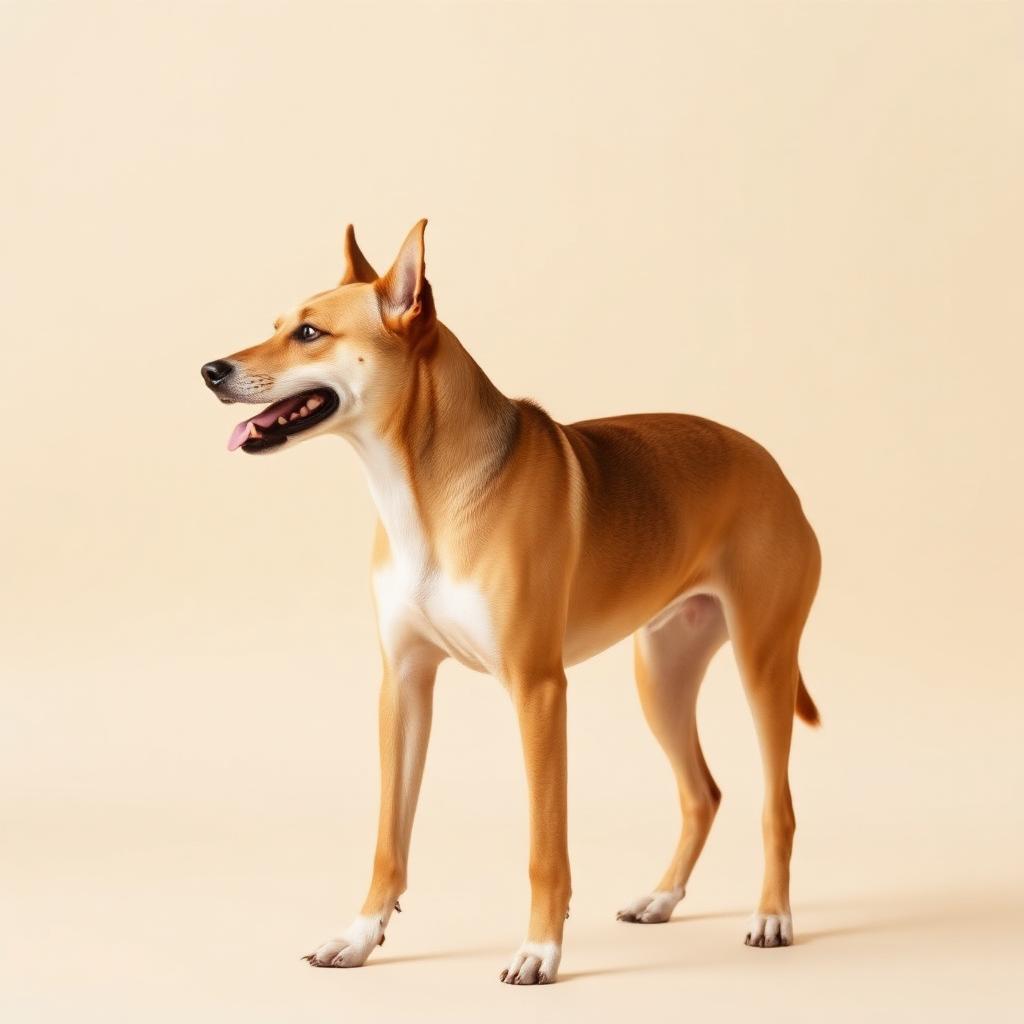
Look at your dog from above while they are standing. A healthy dog has a clear narrowing behind the ribs - a waist. From the side, the belly should tuck up slightly toward the back legs, not hang flat or sag.
Run flat hands gently along the ribcage. Ribs should feel like the back of your hand: easy to count without pressing through fat.
- No visible waist when viewed from above.
- Ribs cannot be felt without pressing through fat.
- Belly hangs flat or sags instead of tucking up.
- Reluctance to climb stairs or jump onto the sofa.
- Heavy breathing after short walks.
- Collar feels tighter than it did six months ago.
- Visible fat pads at the base of the tail or above the hips.
Understanding the 9-point Body Condition Score
Veterinary professionals use a 9-point BCS scale. A score of 4 or 5 is ideal. 6 to 7 indicates overweight, and 8 to 9 indicates obesity. Each point above 5 corresponds roughly to 10-15% above ideal weight, which means a BCS 7 dog needs to lose around 20-25% of current weight to reach a healthy shape.
Try our free Body Condition Score Calculator to estimate your dog's score at home using three simple sliders.
Why being overweight is so dangerous for dogs
Extra weight is not cosmetic. Studies show overweight dogs live up to two years shorter on average and are far more likely to develop arthritis, diabetes, heart disease, certain cancers and torn cruciate ligaments. Carrying just an extra kilogram on a small breed is equivalent, proportionally, to a human carrying 10-15 extra kilograms.
Joint disease in particular is often blamed on breed or age when the real driver is body weight. Many older dogs become visibly more mobile within weeks of losing modest amounts of weight.
Your four-week weight-loss starter plan
Resist the temptation to slash food in half. Sudden, severe restriction is stressful and rarely sustainable. Instead, follow this gentle four-week ramp.
- Week 1 - measure: weigh your dog, calculate ideal calories with our calculator, switch to two scheduled meals.
- Week 2 - cut treats: reduce treats by 50% and switch to low-calorie options like carrot, cucumber or green beans.
- Week 3 - move more: add one extra 15-minute walk or fetch session per day.
- Week 4 - recheck: weigh again, recalculate body condition, drop daily food by another 10% if needed.
Smart treat swaps that satisfy
Treats are usually the silent calorie killer. Swap calorie-dense biscuits for fresh single-ingredient alternatives: baby carrots, cucumber slices, small pieces of apple (no seeds), green beans or a teaspoon of plain pumpkin puree. These add bulk and chewing satisfaction with very few calories.
If you train often, break commercial treats in half or quarter - most dogs respond to the act of receiving a treat, not the size.
Exercise that actually moves the needle
Walking burns fewer calories than most owners expect. To meaningfully accelerate weight loss, add short bursts of speed (fast walking, gentle uphill, fetch). For dogs with joint issues, swimming or hydrotherapy is excellent - it builds muscle while protecting joints.
Aim for at least 30 minutes of intentional activity per day for adult dogs, split into shorter sessions if needed.
When to involve your vet
If your dog has gained weight despite no change in food or activity, ask your vet to screen for hypothyroidism, Cushing's disease or other endocrine causes. Sudden weight changes always deserve a professional opinion. For dogs more than 20% above ideal weight, a prescription weight-loss diet often makes the journey faster and safer than calorie restriction alone.
How to weigh a dog accurately at home
Step on your bathroom scale, note the number, then step on again holding your dog and subtract. For dogs too large to lift, most vets are happy to let you use the clinic scale between visits, no appointment needed.
Weigh at the same time of day, ideally before breakfast, and record the number in a notes app. A trend line over four weeks tells you far more than a single reading.
Portion cuts that work without hunger drama
The most sustainable cut is a small one applied consistently. Ten percent off the daily total, plus a shift from calorie dense treats to raw vegetable pieces, is enough to move most dogs steadily downward.
Splitting the daily food into three smaller meals rather than two helps dogs feel more satisfied on fewer calories. Adding a spoon of plain pumpkin or a handful of green beans to each meal adds fibre and bulk without much energy.
- Cut daily food by ten percent, not more, in week one.
- Split into three smaller meals if possible.
- Add fibre bulk: pumpkin, green beans, grated courgette.
- Swap crunchy treats for carrot batons or cucumber slices.
- Weigh weekly, adjust another five to ten percent if flat for two weeks.
Low impact exercise for heavier or older dogs
A very overweight dog cannot suddenly hike. Start with two short flat walks a day, ten to fifteen minutes each, and build up as fitness improves. Overloading joints with sudden exercise is a common cause of setbacks.
Swimming and hydrotherapy are excellent because they burn calories and build muscle without impact. Even a shallow paddling pool in the garden encourages movement in dogs who struggle on land.
The role of hidden calories
Peanut butter in a puzzle toy, a slice of cheese with medication, a lick of yogurt from the pot, a scrap under the table. Individually these look tiny. Added up over a week they often account for the entire calorie surplus that keeps a dog stuck.
Track everything that goes past your dog's lips for three days in a notes app. Most owners are genuinely surprised, and the fix is usually easy once the picture is clear.
When medical causes are behind the weight
Hypothyroidism, Cushing's disease and certain medications cause weight gain that will not respond to portion cuts alone. If your dog is exercising normally, eating a fair amount and still gaining, ask your vet for a blood panel.
For dogs already on the plan for four to six weeks with no movement, a therapeutic weight loss diet from your vet is usually the next step. These are formulated to be filling on low calories and often produce results within a month.
A twelve week transformation plan that actually holds
Real weight loss takes longer than most owners expect. Twelve weeks is the honest window for a dog carrying a meaningful amount of extra weight. Anything faster usually rebounds.
The plan is boringly simple: cut daily calories by ten percent every three weeks while progress continues, add fifteen minutes of extra low impact movement each week, weigh every seven days at the same time, and adjust only the numbers when the trend flattens for more than two weeks.
By week twelve most dogs on this plan have lost between five and ten percent of starting body weight, moved down a full body condition score point, and settled into habits the household can maintain forever without feeling like a diet.
Multi dog households and the fairness trap
The single most common cause of one overweight dog in a household of two is that both dogs get the same portion because it feels fair. Two dogs of the same weight can genuinely need very different amounts based on activity, age, spay status and metabolism.
Feed each dog by name, in their own spot, with their own measured portion. If one dog finishes first and stares at the other, feed them in separate rooms until both finish, then remove the bowls together. It is a small routine change that fixes years of drift.
Track weight per dog, not for the pair. Small differences compound quickly, and the confident eater almost always ends up carrying the weight the shy eater is skipping.
Getting the family aligned
Weight plans fall apart when one person in the household is quietly slipping treats. This is rarely malice. It is usually love, habit or misunderstanding of the numbers.
Pin the daily plan on the fridge in one clear paragraph. Weight, target calories, allowed treats, walk minutes. Anyone who wants to give a treat takes it from a pre measured jar that has to last the week. When the jar is empty, no more treats until Sunday.
This simple rule turns treat giving from a background habit into a visible choice, and almost every household adjusts within a fortnight without anyone feeling policed.
Life after the goal weight
Reaching the target is not the end. The habits that got you there have to stay in place, but calories almost always need to nudge back up by five to ten percent to hold the new weight.
Do a monthly weigh in for the first six months at goal, then quarterly. Any drift of more than five percent is a signal to look at the last few weeks of routine and adjust before it becomes a project.
Owners who hold weight successfully long term almost all keep some version of the tracking they used during weight loss. It stays quick, quiet and effective, and it protects the dog from the slow drift that started the problem the first time.
Exercise that suits an overweight dog
An overweight dog on a long fast walk is a joint injury waiting to happen. Start with short, slow, flat walks and build duration before you build pace. Water sessions like calm swimming are excellent low impact options where available.
Sniffing burns more calories and mental energy than owners expect. Twenty minutes of slow lead work in an interesting park often tires an unfit dog more thoroughly than forty minutes of brisk pavement. Use that to your advantage in the early weeks.
As weight comes off and fitness returns, gradually add pace and hills. By week eight most dogs are ready for the walks they could not manage at the start, and by week twelve exercise has become part of the maintenance, not the challenge.
When medical causes are hiding under the weight
Hypothyroidism, Cushing's disease and some medications can drive weight gain that no amount of portion control fully fixes. If a dog on a well followed plan does not lose weight in four to six weeks, it is time for blood work.
Do not assume laziness or overeating without ruling out the medical picture. Getting a diagnosis early spares the dog months of failed dieting and gets them on the treatment that actually solves the problem.
Once a medical cause is under treatment, the same calorie and movement plan usually starts working. The plan was not wrong, the biology was fighting it.
Frequently asked questions
How fast can a dog safely lose weight?
Roughly one to two percent of body weight per week is a healthy, sustainable rate. Faster than that risks muscle loss and metabolic stress.
Are weight-loss diets actually different?
Yes - true therapeutic weight-loss diets are higher in protein and fibre so dogs feel full on fewer calories. They are worth considering for dogs more than fifteen percent overweight.
Will my dog be hungry on a weight-loss plan?
Some hunger signalling is normal in the first week. Splitting food into 3 smaller meals and adding low-calorie bulk like green beans helps enormously.
Should I weigh my dog at home or at the vet?
Home is fine for monitoring trends. Vet scales are most accurate for an exact starting point.
Is a slightly chubby dog really a problem?
Yes. Even fifteen percent above ideal weight measurably shortens lifespan and increases arthritis and diabetes risk. Lean dogs live longer, plainly and consistently, across every large study we have.
How do I keep other people from feeding my dog?
Post the daily calorie total on the fridge and ask family to take treats from a pre measured jar. Frame it as a health plan, not a punishment, and most households cooperate quickly.