Dog Vaccination Schedule 2026: A Year-by-Year Guide
Core and non-core vaccines explained, plus what to ask your vet at each visit.
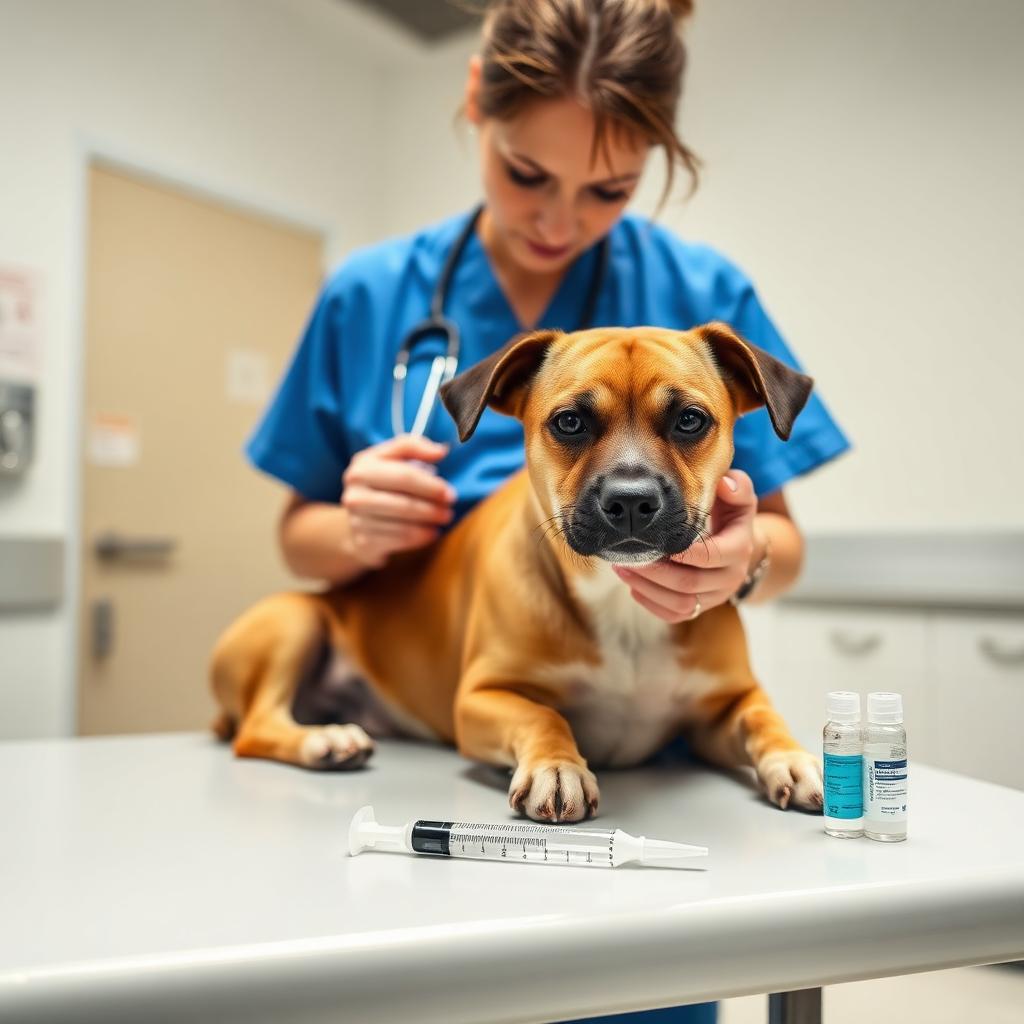
Vaccinations are one of the highest-impact health decisions you make for your dog. They protect against diseases that are widespread, severe and often fatal - and they protect other dogs in your community.
Modern veterinary guidance splits vaccines into core (recommended for all dogs) and non-core (recommended based on lifestyle). Here is what each typically looks like across a dog's lifetime, and what to ask your vet at each visit.
The puppy series
Puppies receive antibodies from their mother that gradually fade between six and sixteen weeks of age. Because we cannot know exactly when that protection drops, the standard schedule gives three doses of the core combination vaccine (DHPP or DA2PP) at roughly 8, 12 and 16 weeks.
Rabies is typically given separately at 12 to 16 weeks depending on local law. This is legally required almost everywhere and is also one of the most important public-health vaccines we have.
Adult boosters
Most adult dogs receive a booster one year after the puppy series, then every three years for core vaccines. Rabies boosters follow local legal requirements, often every one to three years.
Non-core vaccines such as Bordetella (kennel cough), Leptospirosis and Lyme are repeated annually because immunity is shorter. Whether your dog needs these depends on lifestyle: boarding, daycare, hiking in tick areas, or living near standing water all change the risk-benefit calculation.
Non-core vaccines - who actually needs them
Bordetella is required by most boarding kennels, daycares and grooming salons. Even if you do not use these services, it is worth considering for dogs that meet many other dogs.
Leptospirosis is increasingly recommended in urban and suburban areas due to wildlife spread. It is a serious zoonotic disease - meaning it can pass to humans.
Lyme vaccine is sensible in tick-heavy regions and for dogs that hike regularly.
Canine influenza is worth discussing if your dog spends time in group settings.
- Bordetella - boarding, daycare, frequent dog social settings.
- Leptospirosis - urban areas, hiking, drinking from puddles.
- Lyme - tick-prone regions and outdoor dogs.
- Canine influenza - boarding, daycare, dog shows.
- Rattlesnake vaccine - specific regions only, discuss with vet.
Senior care and titers
For adult dogs with a stable vaccination history, titer testing measures antibody levels in the blood and can confirm whether a booster is actually needed. This is a useful conversation to have with your vet around age seven or eight.
Many holistic and integrative vets favour titers over automatic boosters for adult dogs. The mainstream profession is also moving toward this approach for core vaccines after the initial one-year adult booster.
Post-vaccination care
Mild soreness, slight lethargy and reduced appetite on the day of vaccination are normal and usually pass within 24 hours. Severe reactions - facial swelling, hives, vomiting or collapse - are rare but warrant immediate veterinary attention.
If your dog has had any reaction in the past, mention it before every future vaccination. Pre-treatment with antihistamines, splitting vaccines across separate visits, or skipping non-essential vaccines may be appropriate.
Special situations
Pregnant or recently spayed dogs, dogs on chemotherapy, and dogs with active illness usually have vaccines delayed. Working dogs travelling internationally need specific rabies titer documentation. Always discuss travel plans with your vet at least three months in advance.
A typical timeline from puppy to senior
Most modern vaccination schedules follow a predictable pattern. Knowing the shape of it up front helps you plan appointments, budget, and travel around key dates.
The list below is a general guide only. Your vet will adjust based on local disease patterns, your dog's health and any lifestyle factors like boarding or hiking.
- 6 to 8 weeks: first DHPP or DA2PP, deworming.
- 10 to 12 weeks: second DHPP, sometimes Lepto or Bordetella.
- 14 to 16 weeks: third DHPP, rabies, final puppy boosters.
- 12 months: first adult booster of core vaccines.
- Every 1 to 3 years: core boosters, titer as an alternative.
- Non core: usually annual if lifestyle warrants.
How the vaccines actually work
Vaccines expose the immune system to a harmless version of the pathogen so it learns to recognise the real thing quickly if the dog is ever exposed. The response takes about two weeks to fully develop.
This is why a puppy is not considered protected until a week or two after the final dose. Avoid dog parks and unknown dog contact until your vet says protection is complete.
Titer testing explained
A titer is a blood test that measures the level of protective antibodies for a specific disease. Adequate titers usually mean a booster is not needed at that visit.
Titers are most useful for core vaccines in adult dogs with a stable vaccination history. They are less useful for rabies, which is legally driven, and for non core vaccines where immunity is inherently short lived.
Common myths that put dogs at risk
Indoor only dogs still need core vaccines. Parvovirus can live on shoes and floors for months. Distemper spreads through air. A dog that never leaves the house can still be exposed by a visiting human.
Small dogs do not need smaller doses. Vaccine doses are calibrated to trigger an immune response, not weight based. Splitting or reducing doses reduces effectiveness and is not recommended.
Costs, budgeting and pet insurance
A full puppy vaccine course typically costs between 150 and 300 depending on region, plus rabies. Annual boosters run 50 to 150 depending on which non core vaccines are included.
Most pet insurance policies do not cover routine vaccinations, but many practices offer discounted health plans that bundle vaccines, flea and worm treatment and annual checkups for a flat monthly fee.
Travel, boarding and lifestyle add ons
International travel usually requires an up to date rabies certificate, a microchip, and often a rabies antibody titer test done a set number of months before travel. Rules change often, so check the destination's official pet import page and start planning at least six months ahead.
Boarding kennels and daycares typically require Bordetella, DHPP and rabies, sometimes canine influenza. Grooming salons often ask for the same. Keep a photo of the current vaccine record on your phone for quick check ins.
Hiking, camping and rural farm visits raise the case for Leptospirosis and Lyme depending on region. A short chat with your vet before a trip is much easier than dealing with a preventable illness after.
Handling vaccine reactions calmly
Most vaccine reactions are mild and pass within a day. Slight lethargy, a warm spot at the injection site, a reduced appetite for one meal. These are normal responses to a working immune system.
Seek urgent care for facial swelling, hives, repeated vomiting, difficulty breathing or collapse. These are rare but serious, and the sooner they are treated the better the outcome. Keep the emergency clinic number saved before the appointment, not during a reaction.
If your dog has ever reacted, tell the vet before every future vaccine. They may spread doses across separate visits, pre treat with an antihistamine, or switch brands. A history of reaction is not usually a reason to stop vaccinating, just a reason to do it thoughtfully.
Parasite prevention that partners with vaccines
Vaccines cover viral and bacterial diseases. Parasite prevention covers fleas, ticks, heartworm, roundworm, tapeworm and lungworm. Both matter, and dogs need both to be genuinely protected.
The right parasite plan depends on where you live and how your dog spends their time. Monthly spot on treatments, chewable tablets and combination products all have a place. Your vet can build a plan that fits without overtreating.
Do not skip parasite prevention because your dog seems fine. Many parasites cause damage before they cause symptoms, and preventing infestation is dramatically easier and cheaper than treating one.
Record keeping that saves you time
Photograph every vaccine certificate, every parasite treatment date, and every important vet note. Keep them in a single album on your phone. When a boarding kennel, groomer or new vet asks for records, you have them ready in seconds.
A short written history of any reactions, allergies, chronic conditions or long term medications is worth keeping alongside. Owners who have this ready at every appointment consistently get better, faster care.
If you travel or move country, this album becomes essential. Recreating a vaccination history from memory is stressful and sometimes impossible. Ten seconds of admin at each visit prevents days of scrambling later.
Titer testing and thoughtful boosters
A titer test measures antibody levels in the blood and can show whether a dog still has immunity from a previous vaccine. For core vaccines in adult dogs, some owners and vets use titers to decide whether a booster is due.
Titers are not currently recommended for rabies in most regions because legal requirements are based on the vaccine date, not the antibody level. For distemper, parvovirus and adenovirus in adult dogs, titers are a reasonable conversation to have with your vet.
The point is not to skip vaccines that matter, but to avoid unnecessary ones when good evidence says protection is still strong. This is a personal decision made with your vet, not a one size fits all rule.
Puppy socialisation windows and vaccine timing
The critical socialisation window closes around sixteen weeks, before most puppies finish their vaccine course. This creates the classic tension between disease risk and behaviour risk.
Modern guidance from most veterinary behaviour bodies is clear. Carefully managed socialisation on clean surfaces, with vaccinated healthy adult dogs, in low risk environments, is more important to long term welfare than absolute isolation until vaccines are finished.
Talk to your vet about which environments and interactions are safe at each stage of the puppy course. A puppy that misses socialisation almost always has bigger problems long term than one who caught a manageable puppy illness.
Adopted and rescue dogs with unknown history
A dog arriving from rescue with unclear vaccine records is a common situation. In most cases the safest and simplest path is to restart the core vaccine course as though they had none. The overlap risk is low.
For rabies specifically, the rules depend on your region and your travel plans. A vet can advise on whether a single dose or a full new course is required, and how long any waiting period lasts before travel.
Take this appointment as a chance to build a clean written record from day one. It saves confusion at every future boarding, groomer or vet visit for the rest of the dog's life.
Costs, planning and pet insurance
A full puppy vaccine course, first parasite treatments, microchipping and a neuter or spay usually comes to a meaningful sum in the first year. Plan for it before bringing a puppy home, not after the first bill.
Pet insurance rarely covers routine vaccines, but many policies now include a wellness add on. Read the terms carefully and compare over the full life of the dog, not just the first year.
Setting aside a small monthly amount for routine care makes each appointment feel painless. It is a much better system than choosing between the vet and the electricity bill on a stressful week.
Vaccines and older or immune compromised dogs
Older dogs and dogs on immune suppressing medication need a slightly different vaccine conversation. Some boosters may still be appropriate, others may be safely stretched or replaced by titer testing.
Do not simply stop vaccinating a senior dog. Immunity fades with age just as it does in people, and a preventable illness in a fragile senior can be devastating.
Have a yearly chat about the current plan and any changes in your dog's health. The right vaccine schedule at age three is rarely the right schedule at age twelve, and small yearly updates keep protection matched to the dog you have now.
Frequently asked questions
Are vaccine reactions common?
Mild soreness and sleepiness are normal. Severe reactions are rare but possible - watch your dog for several hours after each appointment.
Can I delay the puppy series?
Delaying leaves a puppy exposed to parvo and distemper, both often fatal. Stick to the recommended timing.
How long does the rabies vaccine last?
Modern rabies vaccines are licensed for 1 or 3 years depending on the product, but local law determines required intervals.
Do indoor dogs need all the same shots?
Core vaccines yes - diseases like parvo can survive on shoes and floors. Non-core can usually be skipped for truly indoor-only dogs.
Can I mix vaccine brands over the years?
Yes. Different manufacturers use the same core antigens. Your vet will pick the best available product for each visit.
Is it safe to walk my puppy before the full series?
Carry them in your arms in busy places and use private gardens of vaccinated friends. Avoid public paths, dog parks and standing water until your vet clears them.