Decoding Dog Body Language: The Signals Owners Miss
Small, easily-missed signals like lip licks, whale eye and slow tail wags - and what they really mean.
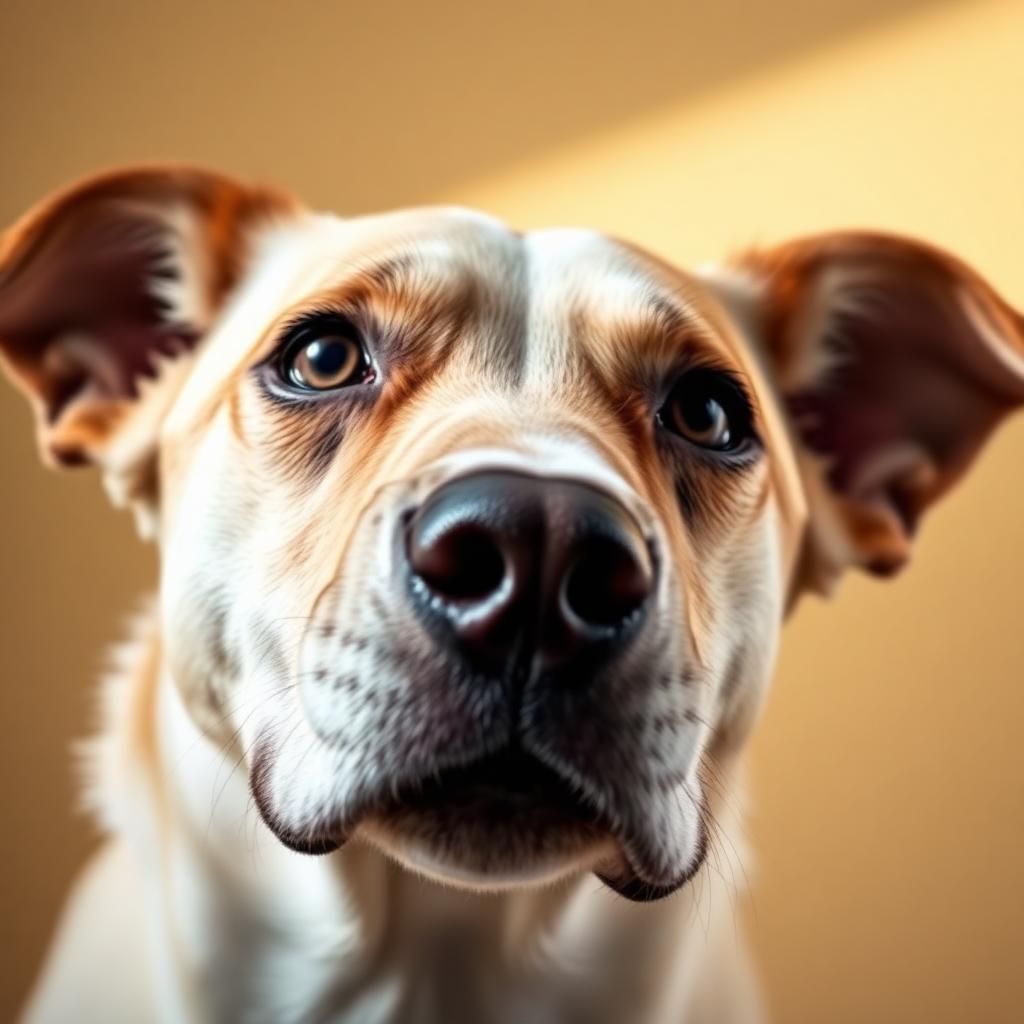
Dogs communicate almost entirely through body language. The barks and whines we focus on are actually a small part of the message - and missing the early signals is how friendly play turns into a snap.
Once you start noticing the small cues, you will see your dog much more clearly. This guide walks through calming signals, tail myths, warning signs, play signals, and what to do when you spot stress.
Calming signals - the most misread cues
Lip licks when there is no food in sight, slow blinks, head turns and yawns out of context are all ways a dog tries to defuse a situation. These often appear during a hug from a stranger or when a child crowds them on the sofa.
When you notice these signals, give the dog space. Doing so consistently builds trust faster than almost any training technique. Most bites happen because calming signals were missed for so long the dog escalated to the only language we still understand.
Tail myths and truth
Tail height and speed matter more than the wag itself. A high, stiff, slow wag is often a sign of arousal or warning. A soft, low, sweeping wag at neck height is the classic happy greeting. A tucked tail signals fear or appeasement.
Breed shape changes how tails look - Pugs and Akitas naturally carry tails high, while sighthounds carry low. Read your specific dog's neutral position first, then notice when it changes.
Whale eye and other warning signs
Whale eye is the visible white sliver at the edge of the eye when a dog turns their head away but keeps their eye locked on something. It almost always signals discomfort and a desire for space.
Other warning signs include sudden stillness, closed mouth (when previously panting), stiff body, weight shifted backward, and lifted lip showing front teeth.
- Whale eye - visible white sliver.
- Sudden body stillness.
- Closed mouth after relaxed panting.
- Lifted lip or visible front teeth.
- Low growl - listen, do not punish.
Play signals - the happy news
Play bows (front legs down, rear up), loose bouncy movement, exaggerated bouncing, and brief role-reversal (one dog 'wins' then the other) all signal healthy play. Good play has natural pauses every 30-60 seconds - if play is constant and one-sided, it may have tipped into bullying.
What to do when you see warning signs
Stop whatever interaction is happening, calmly move the dog or the trigger away and give them a break. Never punish a growl - a growl is information, and punishing it teaches the dog to skip the warning next time and go straight to a bite.
After multiple stress signals in similar situations, reach out to a positive-reinforcement trainer or veterinary behaviourist. Behaviour changes get harder to fix the longer they continue.
Reading your dog every day
Spend five minutes a day simply watching your dog. Notice their relaxed face, neutral tail, and how they shift when something interesting happens. Once you know their baseline, the changes that matter become obvious.
A stress ladder every owner should recognise
Dogs escalate stress signals in a predictable order. Learning the ladder lets you intervene at rung one or two instead of rung eight when the only remaining option is a snap.
The lower rungs are subtle and easily missed. The higher ones are obvious but late. The goal is to respond at the lower rungs so the higher ones almost never appear.
- Rung 1: lip lick, yawn, head turn.
- Rung 2: sniff the ground, blink slowly, look away.
- Rung 3: shake off, walk in a curve, slow movement.
- Rung 4: freeze, whale eye, closed mouth.
- Rung 5: growl, lifted lip, hard stare.
- Rung 6: snap or bite.
Reading tail position across breeds
Neutral tail height varies hugely. A husky's neutral is high, a whippet's is low, a beagle's is level. Reading a tail relative to your dog's own neutral is the only fair comparison.
Watch for changes: sudden height above neutral, a stiff base, a fast quivering wag. These are usually arousal, not happiness, whatever the breed.
Meeting new dogs on the lead
On lead greetings are one of the most common flashpoints for stress signals. The physical restriction of the lead prevents natural curving approaches and forces face to face contact.
Where possible, walk parallel first for a minute, let both dogs sniff the ground where the other has walked, and only allow a brief three second sniff greeting before moving on. Long face to face greetings escalate more often than they settle.
Children and dogs, safely
Children make most of the mistakes that cause bites: hugging, kissing the face, standing over the dog, disturbing a sleeping dog, sharing food. None are malicious, and all are preventable with a few household rules.
Never leave a small child and a dog together unsupervised. Teach children the calming signals list and reward them for spotting one before an adult does. Praise the dog for choosing to walk away instead of tolerating.
- No hugging or kissing the dog's face.
- No disturbing a dog who has moved to a bed or crate.
- No touching a dog eating or chewing.
- Sit quietly and let the dog approach for interaction.
- Any adult present can end an interaction at any time without asking.
Household routines that lower baseline stress
Predictable feeding, walking and rest times lower baseline cortisol. A dog that knows when the next walk is comes settles between events more easily than one whose day is unpredictable.
Give every dog access to at least one safe space, ideally a covered crate or a quiet corner bed, that no one is allowed to disturb. A dog that can retreat rarely feels the need to warn.
Ten second body scan you can run anywhere
When you are unsure how your dog is feeling in a moment, run this quick scan: eyes, ears, mouth, body, tail. Ten seconds is enough.
Eyes soft or hard, ears neutral or pinned, mouth relaxed or closed, body loose or stiff, tail neutral or held stiff. If most read soft and loose, the dog is comfortable. If two or more read hard, closed or stiff, give space and change the situation.
Practise the scan in easy moments so it becomes automatic. Then it is available in the hard moments, which is exactly when you need it.
Consent based petting
Ask the dog before you touch. Pat your thigh, hold a hand out low and wait. A dog who comes forward and leans into the hand is consenting. A dog who stays back, turns the head or moves away is declining.
Once petting, pause every few seconds and let the dog decide whether to continue. If they lean back in, keep going. If they move away, stop. This tiny ritual teaches every dog that humans listen, and the dogs who learn it are dramatically easier to handle everywhere.
Teach children the same routine. It is the single most reliable way to lower bite risk in a house with kids, and it teaches good social manners at the same time.
Reading the room in dog to dog play
Healthy play is loose, bouncy, and takes turns. Bad play is stiff, one sided, and does not pause. If you cannot tell which you are watching, do a consent test. Gently hold the more assertive dog for a few seconds. If the other dog re initiates, the play is mutual. If they leave, it was not.
Look for role reversal. Chase becomes chased. Wrestler on top becomes wrestler on bottom. Play without reversal is often rehearsal for something else.
End play sessions before either dog is exhausted. Tired dogs make bad social decisions, and most fights in friendly play groups happen in the last five minutes. Leave the party while everyone is still happy.
Puppies, adolescents and adults read differently
Puppy signals are exaggerated and forgiven. Adolescent signals are often awkward and misread by adult dogs. Adult signals are subtle and precise. Reading the same behaviour in three different life stages requires different context.
Adolescent dogs between six and eighteen months are the ones most likely to be told off by adult dogs. This is not aggression, it is social feedback. Let it happen briefly and safely, then move the adolescent away before it escalates.
Adult dogs earn the right to teach. Puppies and adolescents earn the right to learn. Managing that gently is one of the best gifts you can give a young dog's social development.
Signals a stressed dog gives before biting
Almost every bite is preceded by warning signals the dog has been giving for weeks or months. Lip licking away from food, whale eye showing the whites, freezing, turning the head away, low tail tucking, and finally a growl.
Punishing a growl teaches the dog that warnings do not work. Bites without warning almost always come from dogs whose earlier signals were ignored or punished. Thank a growling dog by giving them space.
If you notice these signals often, involve a qualified behaviourist. Early intervention is dramatically more effective than waiting for the situation to escalate to a bite.
How your own body language reads to your dog
Direct eye contact, leaning over, reaching from above and fast movement all read as pressure to most dogs. Turning sideways, kneeling, moving slowly and offering a hand low read as safety.
Adjust your own posture when meeting a new dog and watch how they respond. The same dog will often refuse to greet a looming stranger and happily greet a crouched one within the same minute.
Teach children this early. It builds safer households and kinder future adults, and it dramatically improves the odds any new dog they meet has a positive experience.
Reading dogs at the vet, groomer and daycare
Environments packed with unfamiliar dogs and smells amplify every signal. A dog who reads confident at home can read anxious the moment the clinic door opens. That is normal and worth accommodating.
Ask for waiting room alternatives if your dog struggles. Many clinics now offer car park check ins, quiet rooms or first appointment slots for anxious patients. Simply asking often unlocks options you did not know existed.
Trust the reports staff give you at daycare or the groomer. If they mention repeated signs of stress, listen. A dog who dreads a place is telling you something important, even when they seem fine at home the same evening.
Building a lifelong observation habit
The best owners are quietly observant every day. Not analysing every twitch, just noticing the baseline of their dog and picking up on shifts. That single habit catches health changes early, prevents most social mistakes and deepens the relationship.
Spend two minutes at the start of most days simply watching your dog with no phone in hand. Posture, eyes, tail, breathing, energy. Over months you build a mental library of what normal looks like for this specific dog.
When something is off, you will feel it long before you can name it. That instinct is the payoff of years of quiet attention, and it is the most valuable skill any dog owner can develop.
Frequently asked questions
Why does my dog yawn when I hug them?
Most dogs find face-to-face hugs uncomfortable. A yawn is usually a polite request for space, not tiredness.
Is showing the belly always submission?
Sometimes it is a relaxed invitation for a rub. Other times it is appeasement when a dog feels overwhelmed. Context matters.
Should I correct my dog for growling?
No. A growl is a warning that prevents a bite. Punishing the growl removes the warning system.
How do I know if play has tipped into fighting?
Look for pauses, role reversal, and loose bodies. Constant chasing, stiff bodies and lack of breaks are red flags.
Why does my dog turn away when I take photos?
The camera lens looks like a hard stare. A head turn or lip lick is a polite request for you to soften. Try photographing from the side with a treat, not head on.
Is a rolled belly always an invite for a rub?
Sometimes. If the body is loose, tail wagging softly and mouth relaxed, yes. If the body is stiff and the eyes wide, it is appeasement and touching often increases stress.